Watermelon’s best-kept secret: Seeds and rind could transform your health, researchers say
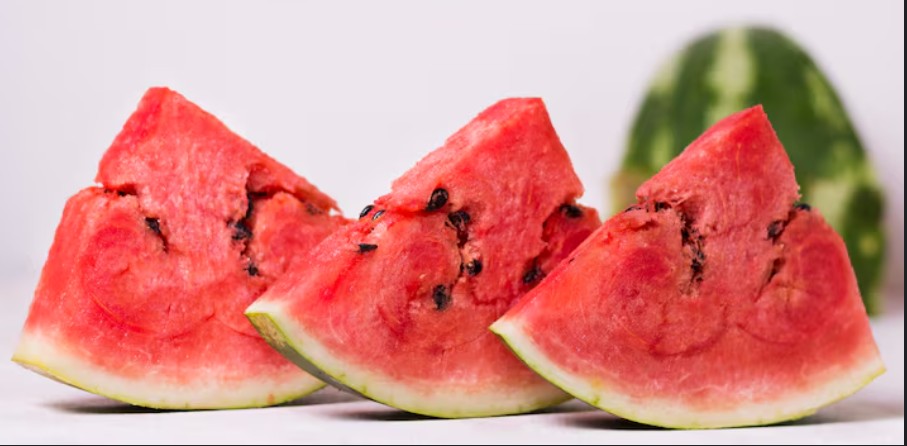
New research highlights watermelon seeds and rind as rich sources of protein, healthy fats, fibre and circulation-supporting compounds, prompting scientists to reframe the fruit as a zero-waste functional food.
Long seen as little more than a refreshing treat in hot weather, watermelon is now attracting growing interest from nutrition researchers, who argue it may be one of the most undervalued whole-food crops in circulation.
While its juicy red flesh remains a picnic staple, new findings show that the seeds and rind (the white part), traditionally thrown away, may in fact be among the most nutrient-rich parts of the fruit.
More To Read
- New study finds long-term use of sleep pill melatonin may raise risk of heart failure and death
- Over a third of children with congenital heart disease die within a year at KNH, study finds
- How to make the ultimate watermelon smoothie for hot days
- Why starting your day with pawpaw could be a game changer for your health
- New research suggests vigorous four-minute exercise can boost heart health
Seeds: From scraps to a nutrient-dense snack
For years, seedless watermelon varieties dominated supermarket shelves, reinforcing the idea that seeds were simply waste, or at best, “toys” for childhood spitting competitions.
Recent analysis tells a different story.
According to 2025 research published by the Royal Society of Chemistry, watermelon seeds contain significant levels of plant protein, magnesium, zinc, iron, and naturally occurring unsaturated fats linked to cardiovascular protection.
Remarkably, the study found that watermelon seed yields oil that surpassed those of cotton, soybeans, and olive seeds.
“Consequently, watermelon seeds contain monounsaturated and polyunsaturated fatty acids, which help prevent heart and vascular diseases,” the authors noted.
Roasted seeds
Roasted watermelon seeds offer similar caloric value to common snack foods but far greater nutrient density.
Just a handful delivers minerals essential for muscle function, immune response, oxygen transport, and nerve signalling.
Vitamins A, C, B-complex, E, and K are present, as well as micro-elements such as calcium, manganese, magnesium, copper, phosphorus, and potassium. Potassium is particularly abundant and vital for electrolyte balance and heart stability.
Additional components include carbohydrates such as glucose, sucrose, and fructose, carotenoids (including beta-carotene), and arginine, an amino acid linked to improved antioxidant performance and digestive support.
Watermelon seed extracts have also shown antibacterial properties, and in some regions, the seeds are traditionally used to stimulate appetite and relieve constipation.
Researchers note that the seeds contain antinutritional compounds such as phytates, oxalates, and tannins, which can reduce mineral absorption.
However, processing methods including roasting, boiling, and oven-drying significantly reduce these compounds and improve digestibility.
Rind: The underestimated circulation booster
If watermelon seeds are finally gaining recognition, the rind may be close behind.
Typically sliced away and discarded, the pale layer beneath the skin contains one of watermelon's most intriguing compounds: citrulline, an amino acid linked to blood vessel dilation and improved circulation.
Citrulline continues to attract scientific interest for its potential to support healthy blood pressure, enhance oxygen delivery during physical exertion, and improve vascular function without the side effects of certain synthetic treatments.
The rind also provides fibre, an area where most people fall short. Fibre supports digestive stability, cholesterol control, and blood sugar balance.
Although watermelon has long been praised for hydration (composed of roughly 90–92 per cent water), scientists now encourage consumers to view the entire fruit as a functional food, with the flesh delivering antioxidants and vitamins, the seeds contributing protein, minerals, and healthy fats, and the rind offering circulation-supporting compounds and fibre.
Food innovation laboratories are already exploring seed flours, roasted seed snacks, and rind-based nutritional products.
Emerging food applications
Watermelon seed kernel flour has been successfully used in gluten-free and low-carb biscuits, increasing protein levels and adding distinctive flavours and textures.
Oil extracted from watermelon seeds is used in parts of Africa and the Middle East for frying and cooking.
The seeds are eaten in Nigeria, such as Ootanga, and the extracted oil is known as Kalahari oil.
Watermelon seed milk has also shown potential as a partial dairy replacer in yoghurt production, with test samples demonstrating:
– 2.72 per cent higher total solids
– 2.25 per cent higher ash content
– 1.78 per cent increased fibre
– 1.5 times more bioactive compounds than standard dairy yoghurt
This plant-based yoghurt also showed strong antioxidant performance.
In frozen desserts, seed flour has been used as a fat replacer, adding creaminess through its natural oils while delivering more protein and healthy fats than conventional dairy ice cream.
In addition, fermented condiments made with seed pulp show enhanced protein levels and improved thickening ability in soups, along with increased calcium and thiamine.
What was once simply sliced, spat, and discarded is now being reevaluated as a nutrient-dense, zero-waste food resource.
With further research underway, the message is increasingly clear: the whole fruit deserves attention.
Top Stories Today
Reader Comments
Trending